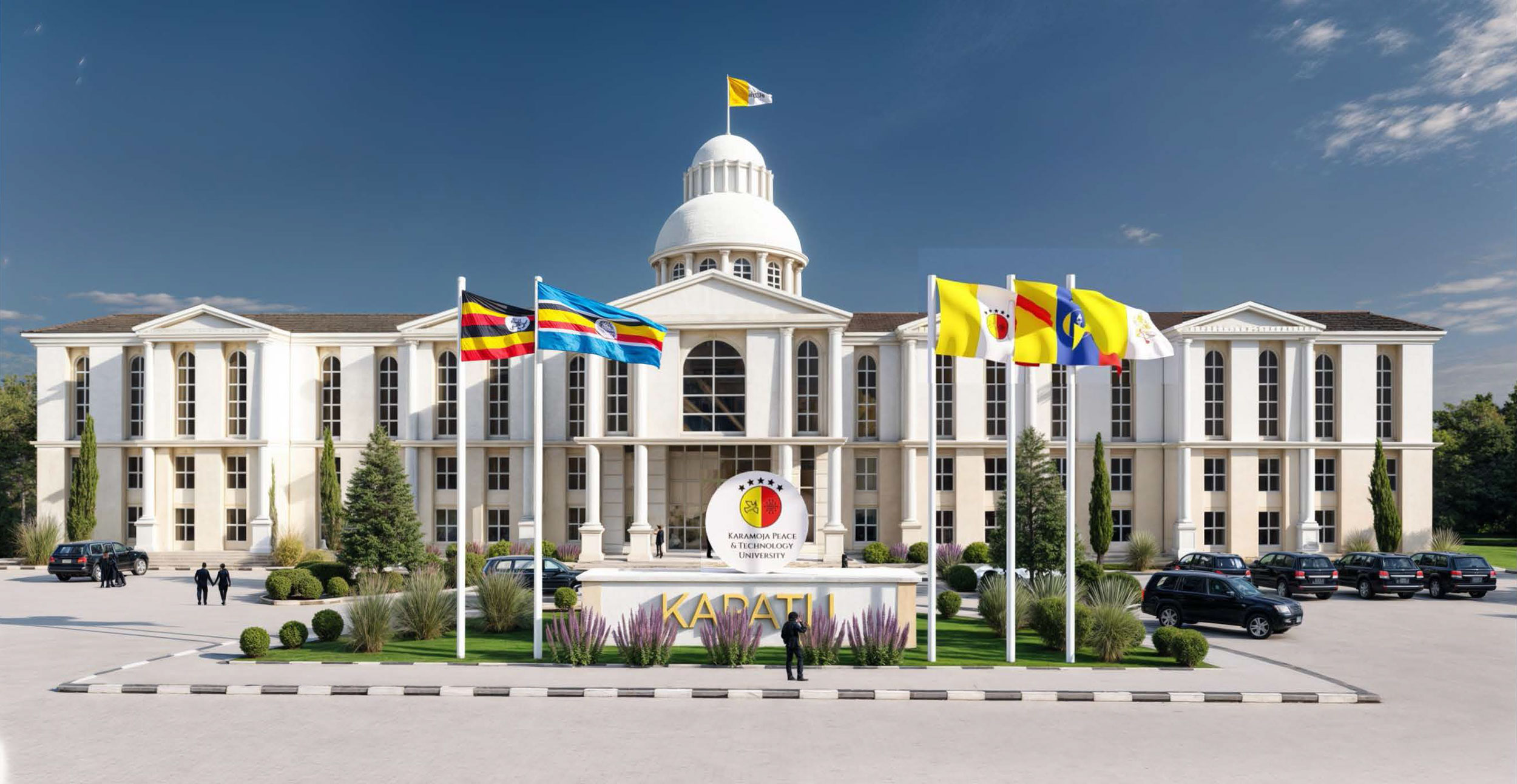
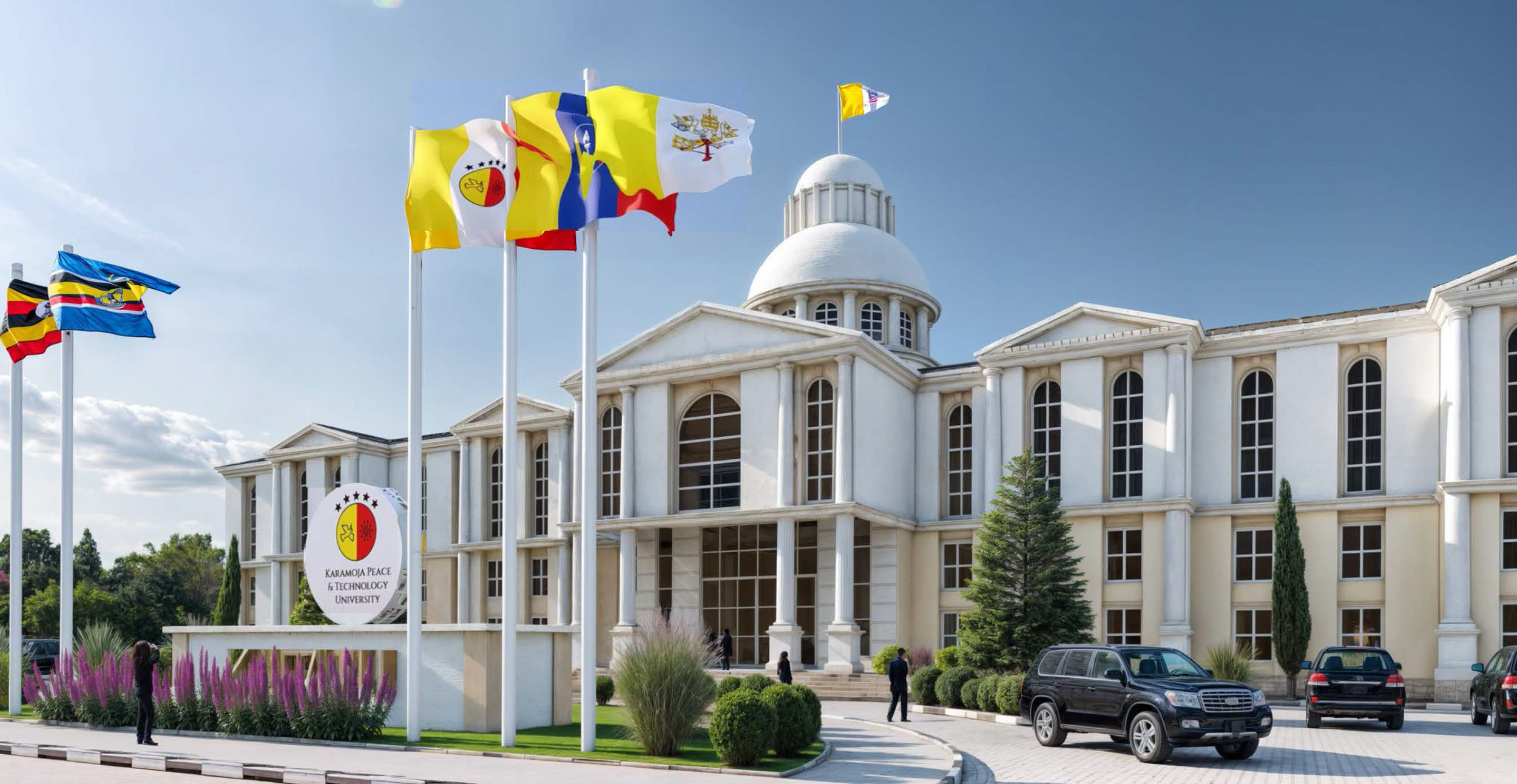
The catchment area of the KAPATU Project is the Ateker Region, which encompasses Karamoja and Teso Regions in Uganda, the Turkana of the Turkana Province of the Republic of Kenya, and the Toposa of the Western Equatorial Province of the Republic of South Sudan, constituting potential students for our proposed programs.
Available data from Uganda’s Ministry of Education and Sports (MoES) indicates that Karamoja alone has 34 Secondary Schools which produce students at S.4 and S.6 levels every year. The students from these schools should be able to enrol in the proposed different academic programs that the KAPATU Project intends to offer. Moreover, given that this is a proposed Nucleus National Public University, students shall be able to come from the entire country.
The Kotido Roman Catholic Diocese, together with the Catholic Lawyers Society International (CLASI), working jointly with the Government of the Republic of Uganda, is spearheading the establishment of Karamoja Peace and Technology University (KAPATU).
The main campus of the KAPATU Project is at Christ the King Catholic Parish, Losilang, Kotido Municipality, Kotido District, Karamoja Region, Uganda, East Africa.
The strategic objective of the KAPATU Project is to foster peace and sustainable development in the Region of Karamoja, the Ateker Region, and the Great Lakes Region in general.
The founders of the KAPATU Project are firmly convinced and strongly believe that working with all stakeholders, this project will trigger accelerated socio-economic transformation and integral human development for the people of Karamoja, the Ateker Region, the Great Lakes Region, and Africa in general.
The KAPATU Project was conceived in 2014 and launched on 29th April 2023 at the Headquarters of the Uganda Episcopal Conference at St. Augustine’s Institute Nsambya, Kampala, Uganda. This was during the Catholic Lawyers Society International (CLASI) celebration of the Red Mass presided over by the Rt. Rev. Bishop Emeritus Giuseppe Filippi MCCJ. Its foundation stone was laid on Friday, 28th July 2023, at Christ the King Catholic Parish, Losilang, Kotido Municipality, Uganda.
On both occasions, the Chief Guest was His Excellency Gen. Yoweri Kaguta Museveni, President of the Republic of Uganda, represented by Her Excellency Maj. Jessica Rose Epel Alupo, Vice President of the Republic of Uganda, also District Woman Representative – Katakwi.
H.E. Gen. Yoweri Kaguta Museveni, is the Founding Chancellor and Visitor of the KAPATU Project, while H.E. Maj. Jessica Rose Epel Alupo, is the Founding Deputy Chancellor and Chief Promoter of the project.
Justification
The KAPATU Project aims to be a catalyst for changing mindsets and transforming Karamoja and the Ateker region in general, thereby fostering accelerated socio-economic development not only in Karamoja and Uganda, but also in the wider Great Lakes Region and the African continent.
The KAPATU Project’s approach entails integrating formal education, peace education, science and technology, human rights, and psychosocial support to empower the Ateker communities and the entire region affected by cattle rustling and insecurity.
Guided by the philosophy of getting all persons of school-going age (the street and displaced children, child mothers, the Karachunas, former warriors and warriors) in the Greater Ateker Region to go to school and leaving no one behind. The Presidential Education for Peace Scholarship Program for Karamoja and Ateker (PEPSKA) stands as a cornerstone initiative of the proposed University. It is poised to play a pivotal role in peace-building, thereby enhancing human resource capacity in the region.
The KAPATU Project has the potential to create over 2,000 jobs every year to help the Government of Uganda partly answer the question of unemployment within Karamoja and Ateker Regions.