
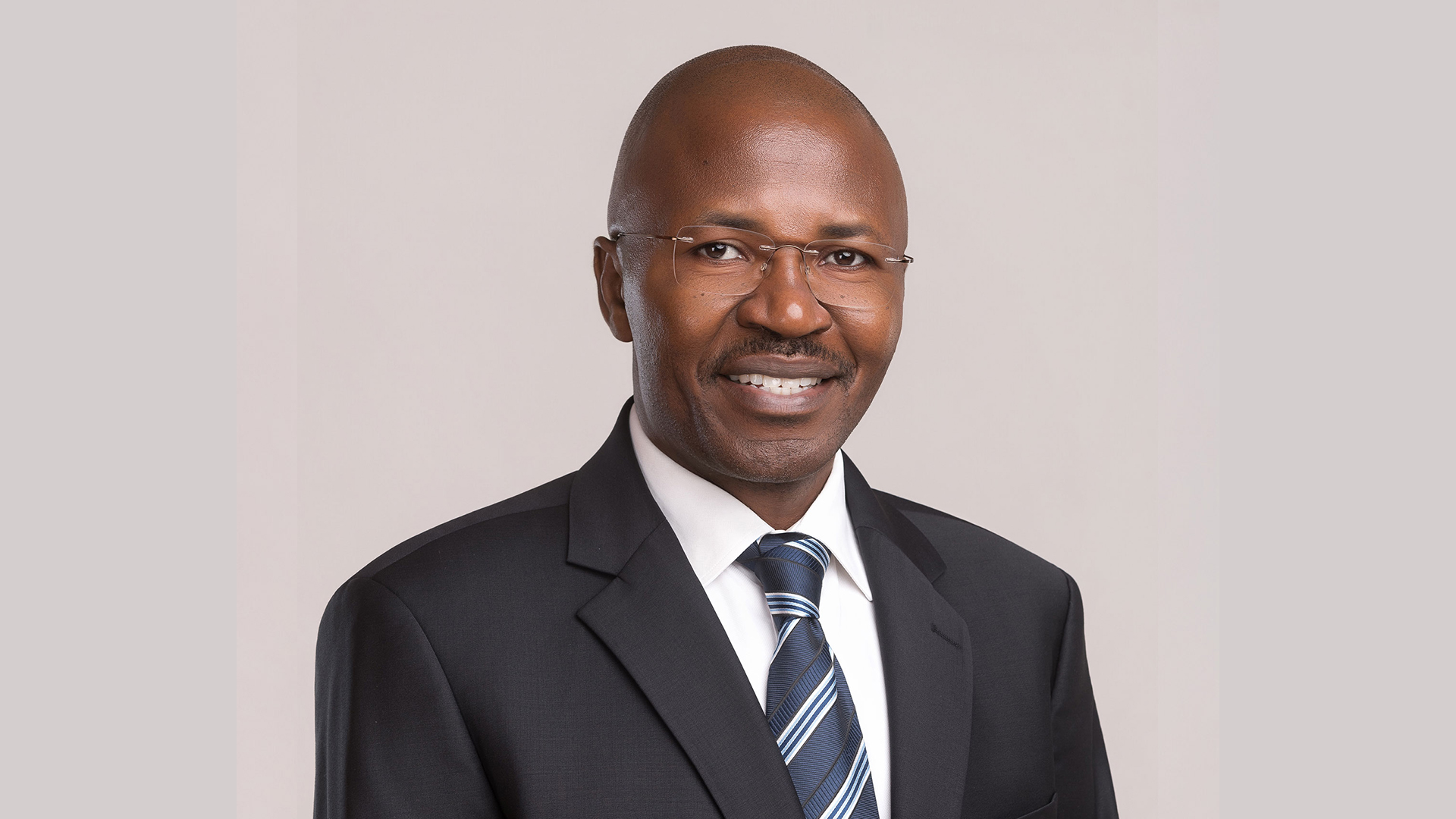
By Counsel Twinobusingye Severino
The recent escalation of hostilities in the Middle East, following the February 28, 2026 military strikes by the United States and Israel on Iran, has once again underscored a familiar truth: where weapons dominate, instability follows. The reported killing of senior Iranian leadership, including Ayatollah Ali Khamenei, triggered swift retaliation, with Iran launching missiles across the Gulf targeting U.S. installations and allied interests in Bahrain, Kuwait, the United Arab Emirates, Saudi Arabia, and Israel.
Since then, the region has descended into deeper crisis. Reports indicate extensive damage to critical infrastructure, including U.S. radar systems, alongside mounting civilian casualties and widespread destruction. The closure of the Strait of Hormuz, through which nearly 20 percent of the world’s crude oil passes, has disrupted global trade and heightened economic uncertainty. Civilians in both Iran and Israel now spend prolonged periods in bunkers, their lives reduced to survival, a reality not unfamiliar to communities in northern Uganda that have endured years in internally displaced persons’ camps.
While the United States and its ally maintain that their objective is to degrade Iran’s nuclear and ballistic missile capabilities, Iran’s response reflects a broader pattern, the projection of military power beyond its borders and the targeting of neighbouring states. It is this posture that invites comparison with a long-standing security challenge closer to home: the Karamoja sub-region.
Karamoja, which became part of present-day Uganda in 1926, remains one of the most marginalised regions despite its vast mineral potential. According to the latest Uganda Bureau of Statistics (UBOS) census and related national surveys, the sub-region has a population of approximately 1.5 million people, with nearly 60 percent constituting the youth. However, social indicators remain stark: about 86 percent of the population has never received formal education, while literacy levels stand at roughly 30.4 percent, far below the national average of 76.1 percent, as reported by UBOS.
Poverty remains deeply entrenched. UBOS data indicates that household poverty levels in Karamoja stand at approximately 72.4 percent, making it the poorest region in the country. Unemployment among the youth is equally alarming, with an estimated 40 percent out of work, many of whom are drawn into cattle rustling and armed violence.
At the heart of this insecurity lies the widespread availability of illegal firearms. Flowing through porous borders with South Sudan, Kenya, and Somalia, and sustained by past regional conflicts, these weapons have entrenched a culture of armed cattle raiding. Young men, commonly referred to as karacunas, often mobilised under the guidance of elders, carry out raids across neighbouring sub-regions of Teso, Lango, Acholi, and Sebei, leaving communities traumatised, displaced, and economically destabilised.
In Kotido District, places such as Napumpum have become synonymous with the planning of these raids, where elders reportedly meet to determine targets. The execution is then carried out by armed youth who traverse long distances, driven by the belief that cattle in neighbouring communities rightfully belong to them.
The parallels with Iran’s regional posture are striking. Just as Iran leverages its military strength and proxy networks to extend influence across Yemen, Lebanon, and Palestine, the possession of arms in Karamoja has emboldened local actors to assert dominance over neighbouring communities. In both contexts, the gun becomes not merely a tool of defence, but an instrument of expansion and control.
However, there is a critical difference, and it offers a pathway forward.
In East Africa, Uganda and Kenya have, since 2002, undertaken joint disarmament efforts aimed at curbing the proliferation of small arms in Karamoja and the North Rift. These initiatives, involving voluntary surrender, coordinated military operations, and cross-border collaboration, have registered measurable progress. Several illegal firearms have been recovered, armed warriors neutralised, and incidents of cattle raiding significantly reduced.
Though challenges remain, including slow implementation and the need for sustained engagement, the gains are beginning to reshape the region’s trajectory.
Karamoja is now witnessing the early signs of transformation. Investment is gradually taking root, particularly in Kotido District, long considered the epicentre of cattle rustling. Among the most notable initiatives is the proposed Karamoja Peace and Technology University (KAPATU), a multi-stakeholder project involving the Catholic Lawyers Society International (CLASI), the Kotido Catholic Diocese, and the Government of Uganda. Conceived in 2014 following extensive research, the initiative recognises education as the most viable pathway to long-term socio-economic transformation. Efforts are underway to secure a provisional licence from the National Council for Higher Education, marking a significant step towards reshaping the future of the region.
The lesson is clear.
Where weapons proliferate unchecked, whether in the Middle East or Karamoja, insecurity becomes cyclical, spilling across borders and generations. But where deliberate efforts are made to disarm, educate, and invest, the cycle can be broken.
As the world watches tensions escalate in the Gulf, Uganda’s experience offers an important reminder: sustainable peace is not built on military might alone, but on inclusive development, access to education, and the deliberate dismantling of the structures that sustain violence.
The gun may instil fear, but it is opportunity, grounded in knowledge and equity, that secures lasting peace.
The writer is Chairperson KAPATU-Council.
ABOUT KAPATU
KAPATU is a Nucleus National Public University established jointly by the Roman Catholic Dioceses of Kotido and Moroto, the Catholic Lawyers Society International (CLASI), headed by its president, Counsel Severino Twinobusingye, and the government of Uganda. Its main campus is situated at Losilang, Kotido municipality (Karamoja). The initiative aims to foster peace and sustainable development in the region through education.
It was conceived in 2014 but actualised on 29th April, 2023, in a colourful ceremony at Nsambya presided over by the Vice President of Uganda, H.E. Maj. Jessica Rose Epel Alupo, who represented H.E. the President. The KAPATU project is being overseen by a Strategic Leadership Committee comprising President Yoweri Kaguta Museveni (Chair/Founding Chancellor), Vice President Jessica Rose Epel Alupo (Founding Deputy Chancellor), and First Lady, also Minister for Education and Sports, Maama Janet Kataha Museveni.
The government has, in the FY2025/26, allocated Shs180bn for the university’s establishment following a special cabinet sitting on 16th December 2024, chaired by H.E. the President and also attended by H.E. the Vice President.