
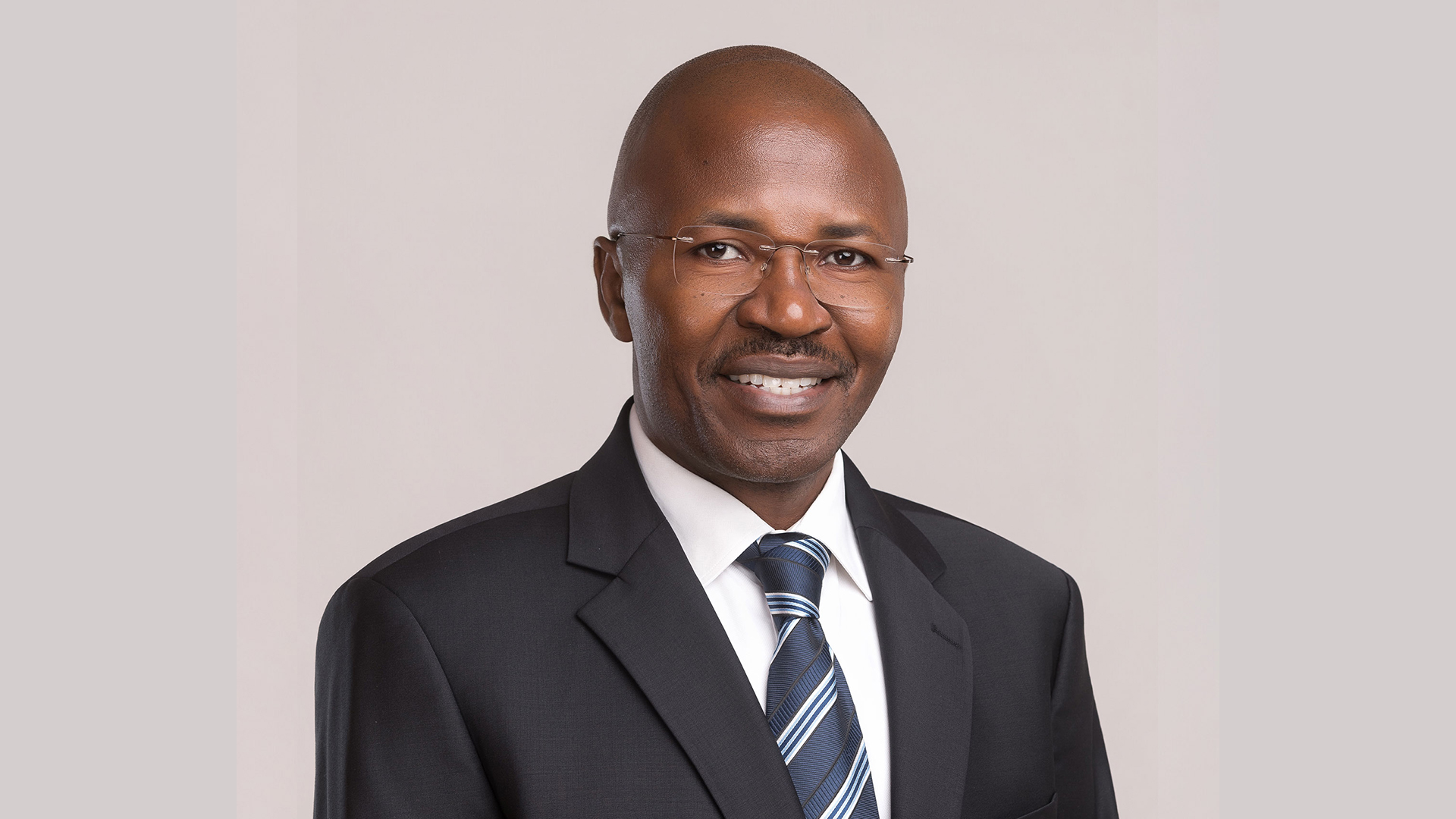
By Counsel Twinobusingye Severino
The Office of the Prime Minister (OPM) recently launched yet another emergency food relief operation for the Karamoja sub-region. As has become far too common, this intervention follows prolonged dry conditions that have devastated crops, leading to severe food scarcity and hunger-related fatalities. Relief food was delivered to Loduku and Loyoru sub-counties in Kaabong District, with plans to extend emergency assistance to Kotido, Napak, Amudat, and Moroto districts, where harvests have failed to yield.
A Recurrent Water Crisis
Located in North-eastern Uganda, the Karamoja sub-region experiences low, sporadic rainfall (ranging between 350mm and 1,000mm annually) alongside high year-round temperatures. While major rivers such as Acolcol, Dopeth, Kitorosi, Moroto, and Okere pass through the region, all these are seasonal rivers. They dry up completely during dry spells, leaving communities without basic water supplies.
Uganda, as a country, is blessed with abundant natural beauty: lakes, rivers, and mountains cover roughly 15% of its surface area, and its freshwater resources are supported by two distinct rainy seasons. However, these natural water reservoirs are unevenly distributed. Because of irregular rainfall and seasonal rivers, farming in the Karamoja is exceptionally difficult. Yet, the sub-region possesses massive potential to become a major national and regional food basket. Traditionally a livestock farming region, Karamoja could easily dominate Africa’s beef and dairy sectors if its water challenge were permanently solved.
Impact Beyond Karamoja
This crisis is not confined to Karamoja alone; it regularly spills over into the neighbouring Teso sub-region:
Moving Beyond Temporary Solutions
To address this ongoing crisis, the Government and its development partners previously introduced targeted water interventions through initiatives such as the Comprehensive Disarmament Program (CDP). These included drilling boreholes and constructing valley dams, tanks, and ponds. While these efforts brought short-term relief, high evaporation rates, climate change, and prolonged dry spells mean the underlying challenge persists, continually constraining agriculture and rural livelihoods.
The KAPATU Bulk Water Supply Initiative
To create a permanent solution, the Karamoja Peace and Technology University (KAPATU) Project, an initiative of the Catholic Lawyers Society International (CLSI), the Catholic Dioceses of Kotido and Moroto, through the Faculty for Agriculture and Environmental Sciences and the Faculty of Hydrology and Water Resources Engineering, has introduced a transformative infrastructure project.
Working alongside international partners, notably VCE Company from Israel, and the Ministry of Water and Environment, KAPATU seeks to invest €150 million (approx. UGX 750 Billion) to extend a bulk water supply network across the Karamoja and Teso sub-regions.
A Presidential Initiative: Guided by H.E. Gen Yoweri Kaguta Museveni, the President of Uganda, in his capacity as Founding Chancellor of KAPATU, this initiative aims to connect piped water directly to every Ere (Homestead), Awii (Kraal), and Elain (Trading Centre).
Long-Term Benefits for the Sub-Region
Through this sustainable KAPATU Bulk Water Infrastructure, Karamoja and Teso can move away from emergency food relief and achieve long-term socio-economic transformation.
The writer is the Chairperson of the KAPATU (Project) Council
ABOUT KAPATU
KAPATU is a Nucleus National Public University established jointly by the Roman Catholic Dioceses of Kotido and Moroto, the Catholic Lawyers Society International (CLASI), headed by its president, Counsel Severino Twinobusingye, and the government of Uganda. Its main campus is situated at Losilang, Kotido municipality (Karamoja). The initiative aims to foster peace and sustainable development in the region through education.
It was conceived in 2014 but actualised on 29th April, 2023, in a colourful ceremony at Nsambya presided over by the Vice President of Uganda, H.E. Maj. Jessica Rose Epel Alupo, who represented H.E. the President. The KAPATU project is being overseen by a Strategic Leadership Committee comprising President Yoweri Kaguta Museveni (Chair/Founding Chancellor), Vice President Jessica Rose Epel Alupo (Founding Deputy Chancellor), and First Lady, also Minister for Education and Sports, Maama Janet Kataha Museveni.
The government has, in the FY2025/26, allocated Shs180bn for the university’s establishment following a special cabinet sitting on 16th December 2024, chaired by H.E. the President and also attended by H.E. the Vice President.
Indeed this would be the one single strategic intervention for this vulnerable region. Unfortunately most Ugandans still hold regrettable prejudices against Karamoja forgetting that a society can only be as strong as its weakest community. Please University Chair, continue the ferocity.
This is true Counsel. I hope this happens