
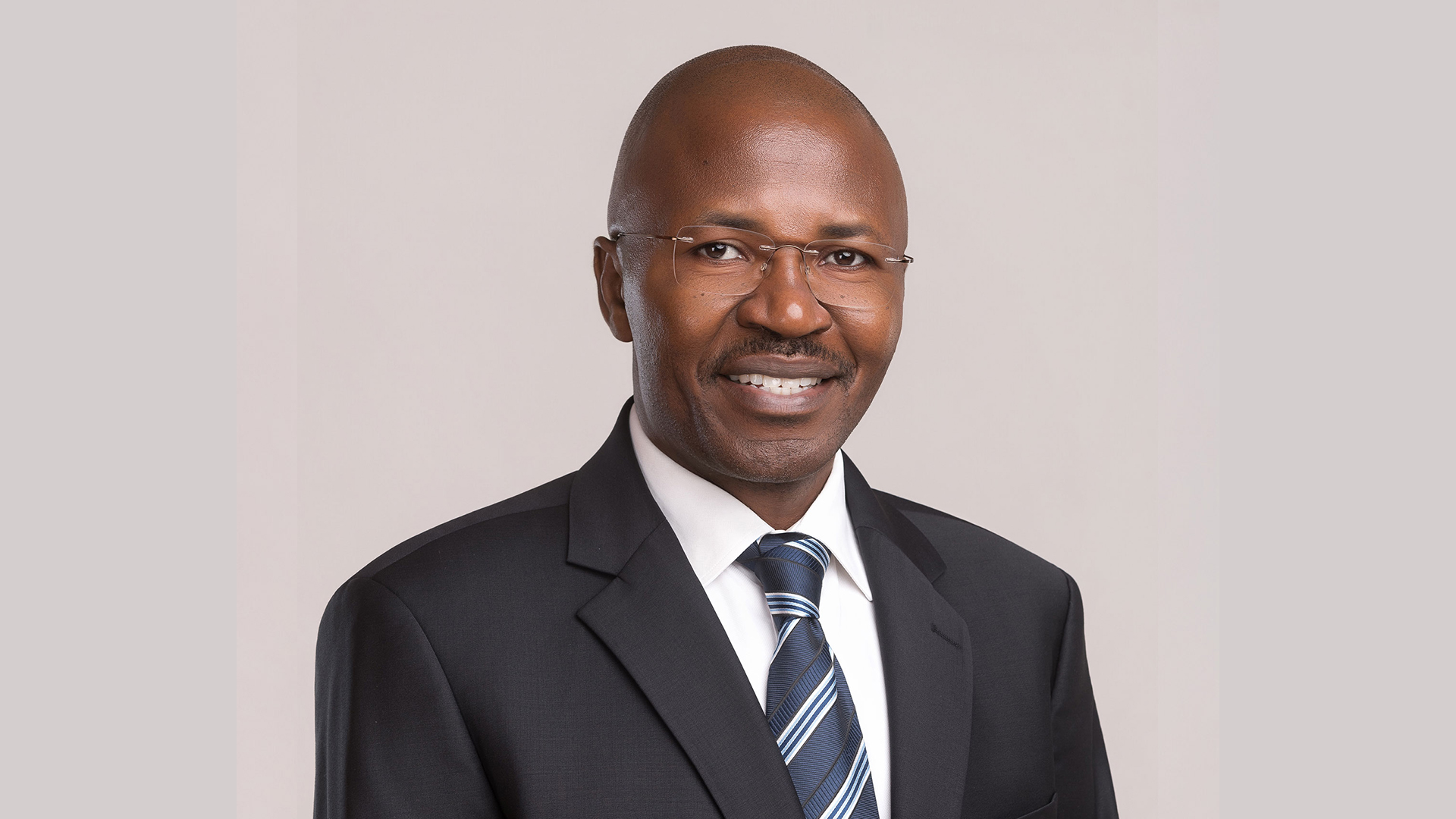
By Counsel Twinobusingye Severino
Established as an idea to drive the transformation of the Karamoja region through world-class tertiary education, the Karamoja Peace and Technology University (KAPATU) Project is expanding its horizon to embrace the entire greater Northern Uganda region, including Teso, Acholi, West Nile and Lango, for both its planned academic programs as well as expanded service delivery initiatives like the bulk water project. The initiative aims not to just offer education opportunities but drive community transformation, starting with addressing the single biggest impediment to the beneficiary community’s self-enterprise: access to reliable water supply for domestic use, agriculture and livestock support.
The bulk water scheme known as the Presidential Initiative for Integrated Bulk Water Supply and Distribution in Karamoja and Teso Regions (IWS-GKT) is planned as a massive water supply initiative to be jointly undertaken by KAPATU with financial and technological support from international partners and the government of Uganda through the Ministry of Water and Environment. The project aims to address persistent deficits in safe water supply, sanitation, hygiene, water for production, climate resilience and livelihood development in the Northern Uganda and Teso sub-regions, and the development of the university. The project worth EUR 526.01 million (approximately 2.27 trillion) is expected to run from FY2026/27 to FY2030/31 with funding from KAPATU international partners VCE Environment, an Israeli development and investment company.
The Minister for Water and Environment, Maj. Gen. Kahinda Otafiire, explains the significance of this flagship project, noting that Karamoja and Teso sub-regions remain among Uganda’s most climate-vulnerable areas, with communities depending heavily on seasonal rivers, open ponds, shallow wells, hand-pumped boreholes and water transported over long distances. “Water services are unreliable and often inadequate for households, schools, health facilities, livestock, agriculture and small enterprises,” he explains, adding that this situation is worsened by recurrent droughts and dry spells. Other challenges he cited include erratic rainfall and flash floods, inadequate storage, treatment and distribution infrastructure, low sanitation and hygiene coverage, weak faecal-sludge management, limited groundwater potential in some locations, high borehole drilling costs and failure rates, elevated fluoride and other water-quality risks, inadequate water for crop and livestock production and limited technical capacity for operation and maintenance. The minister said that the regions continue to rely on expensive emergency measures, including water trucking, the reason a long-term, integrated and climate-resilient solution is required.
Maj. Gen. Kahinda Otafiire, the brain behind this project, explained that once it takes off, it will also support government efforts to end decades of cattle rustling in the Greater Karamoja, boost animal feed production, and support the textile industry for manufacturers. He further explained that under this project, bamboo would be planted along the water pipeline to create an artificial permanent fence to support cattle safety and environmental conservation. “Bamboo shall also be planted along the hills to preserve water and support the manufacturing industry. Bamboos are great raw materials for clothes, furniture, art and crafts, toothpicks among others. Therefore, besides the strategic objectives, this project will have additional roles to play towards the socio-economic transformation of Karamoja, Teso and the neighbouring districts,” he said.
Meanwhile, Gen. Caleb Akandwanaho Salim Saleh, the KAPATU Chief Advisor and Chief Coordinator, Operation Wealth Creation, welcomed this project, saying it would go a long way in resolving the long-standing problem of water scarcity in the project areas so as to boost agricultural production and productivity for household wealth creation.
“KAPATU shall serve as a fulcrum of this water project through the Faculty of Hydrology and Water Resources Engineering and Management. By widening its scope, this effectively means KAPATU is now a national program. Therefore, all the available employment opportunities for teaching and non-teaching staff shall cater for all Ugandans,” he said.
The Vice President and Katakwi District Women Representative, Maj. Jessica Rose Alupo Epel, welcomed this bulk water project, noting its significance especially to the women, girls and children, because they bear a disproportionate burden given the time and distances required to collect water. “Inadequate water and sanitation services also contribute to waterborne diseases, poor school attendance, malnutrition, reduced productivity and loss of dignity,” H.E Alupo explained. The Vice President, also the KAPATU Deputy Founding Chancellor, said a decision had been taken to expand KAPATU’s scope from being a Karamoja issue to now cover Teso and Greater Karamoja, effectively turning it into a national program by the government to solve the persistent water scarcity problem in the target areas
CURRENT SITUATION
The IWS-GKT project comes at a time when available data indicates significant variations in water access and functionality across the target districts. In Karamoja, reported water access ranges from approximately 32 per cent in Amudat to 85% in Karenga, while functionality ranges from 60% in Abim to 94% in Amudat. In Teso, reported water access ranges from approximately 56% in Bukedea to 86% in Kapelebyong and Soroti, while functionality ranges from 86% to 97%. The overall goal of the project, whose main water source is Lake Kyoga and Lake Bisina, is to improve climate resilience, public health, livelihoods and social stability in Northern Uganda Districts and Teso sub-regions through sustainable water supply, sanitation, water resource management and productive-use infrastructure.
The writer is the Chairperson of the KAPATU (Project) Council
ABOUT KAPATU
KAPATU is a Nucleus National Public University established jointly by the Roman Catholic Dioceses of Kotido and Moroto, the Catholic Lawyers Society International (CLASI), headed by its president, Counsel Severino Twinobusingye, and the government of Uganda. Its main campus is situated at Losilang, Kotido municipality (Karamoja). The initiative aims to foster peace and sustainable development in the region through education.
It was conceived in 2014 but actualised on 29th April, 2023, in a colourful ceremony at Nsambya presided over by the Vice President of Uganda, H.E. Maj. Jessica Rose Epel Alupo, who represented H.E. the President. The KAPATU project is being overseen by a Strategic Leadership Committee comprising President Yoweri Kaguta Museveni (Chair/Founding Chancellor), Vice President Jessica Rose Epel Alupo (Founding Deputy Chancellor), and First Lady, also Minister for Education and Sports, Maama Janet Kataha Museveni.
The government has, in the FY2025/26, allocated Shs180bn for the university’s establishment following a special cabinet sitting on 16th December 2024, chaired by H.E. the President and also attended by H.E. the Vice President.